
 Русский
 العربية
 Español
 Français
Insert molding is a specialized injection molding process where pre-formed components (inserts) are placed into the mold before injection. The molten plastic flows around and bonds with the insert, creating a single integrated part. This innovative technique combines the strength of metal with the flexibility of plastic, resulting in components that are more durable, reliable, and cost-effective.
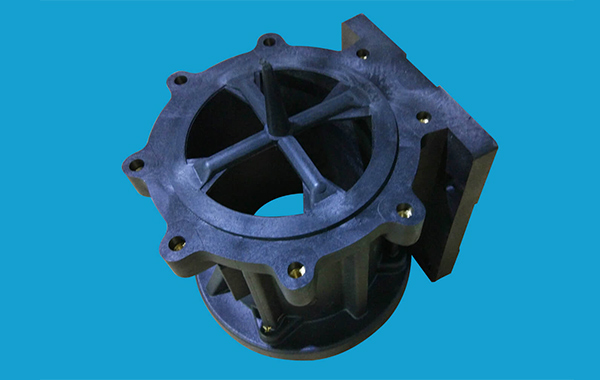
How Insert Molding Works
The insert molding process involves several key steps that ensure perfect integration of metal and plastic components:
- Insert Preparation: Metal inserts are precisely positioned and prepared for molding
- Mold Setup: Inserts are placed into the mold cavity using automated or manual systems
- Injection Phase: Molten plastic is injected around the inserts at high pressure
- Cooling & Solidification: The part cools and the plastic bonds with the insert
- Ejection & Quality Check: Finished parts are ejected and inspected for quality
Benefits of Insert Molding
Insert molding offers numerous advantages over traditional assembly methods:
- Reduced Product Size and Weight: Eliminates the need for separate assembly operations
- Increased IP Rating: Creates superior sealing against moisture and dust ingress
- Improved Robustness: Metal-plastic bond is stronger than mechanical fastening
- Enhanced Reliability: Reduces failure points by eliminating separate components
- Increased Design Flexibility: Allows for complex geometries and multi-material designs
- Lower Assembly Costs: Combines multiple operations into a single molding cycle
- Better Electrical Performance: Provides excellent shielding and grounding properties
Industry Applications
Insert molding is widely used across various industries where reliability and precision are critical:
Automotive Industry
Modern vehicles rely heavily on insert molded components for safety and performance:
- Electrical connectors with metal contacts for wiring harnesses
- Sensor housings with embedded electronic components
- Threaded inserts for interior and exterior trim pieces
- Magnetic components in motors and actuators
- EMI shielding components for electronic control units
Electronics Industry
Electronic devices benefit from the precision and reliability of insert molding:
- USB connectors and charging ports with metal shielding
- PCB mounting brackets and standoffs
- Antenna components with integrated metal elements
- Heat sink integration for thermal management
- RF shielding components for wireless devices
Medical Devices
Medical applications require the highest standards of precision and biocompatibility:
- Surgical instrument handles with metal cores
- Diagnostic equipment housings with embedded components
- Disposable medical devices with metal inserts
- Drug delivery systems with precision metal parts
- Patient monitoring equipment components

Our Insert Molding Capabilities
TuohaiTech® specializes in precision insert molding with advanced technology and decades of experience:
- Automatic Insert Loading Systems: High-precision robotic placement with ±0.02mm accuracy
- Multi-Material Insert Molding: Combine different plastics and metals in a single part
- Metal and Plastic Inserts: Work with steel, aluminum, brass, copper, and various engineering plastics
- High-Volume Production: Capable of producing millions of parts per year with consistent quality
- Quality Inspection and Testing: 100% inspection with automated optical inspection systems
- Prototyping and Low-Volume Production: Rapid turnaround for product development
Material Options
We work with a wide range of materials to meet your specific requirements:
- Metal Inserts: Steel, stainless steel, aluminum, brass, copper, bronze
- Engineering Plastics: ABS, PC, Nylon, POM, PBT, PET, PPS, PEEK
- Specialty Materials: High-temperature plastics, biocompatible materials, conductive compounds
Quality Assurance
Every insert molded part undergoes rigorous quality control:
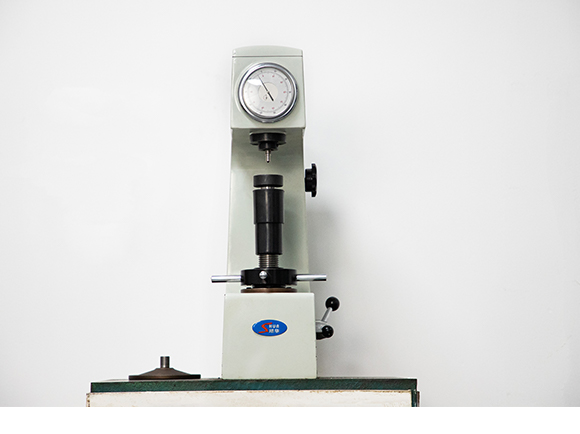
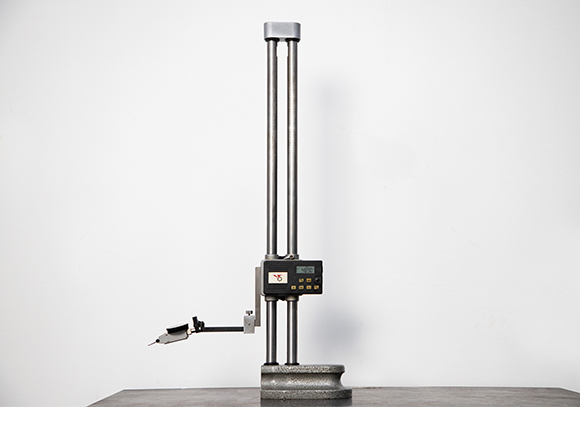
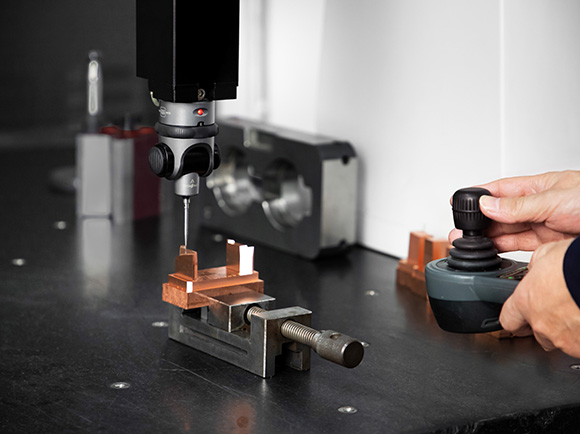
- Dimensional inspection with CMM and optical comparators
- Pull-out strength testing for insert bonds
- Visual inspection for defects and surface quality
- Electrical testing for conductivity and insulation
- Environmental testing for temperature and humidity resistance
Contact TuohaiTech® today to discuss your insert molding project. Our engineering team is ready to help you optimize your design for manufacturability and cost-effectiveness.